


In mining operations, every minute of unexpected downtime translates directly into lost production and higher operating costs. While crushers, screens, and conveyors often receive the most attention, the Coal Mine Feeder is equally critical to maintaining a stable and efficient production process. A properly selected feeder regulates material flow, prevents equipment overload, and ensures downstream systems operate under optimal conditions. Choosing the wrong feeder, however, can result in blockages, excessive wear, inconsistent feed rates, and costly shutdowns that significantly impact project profitability.
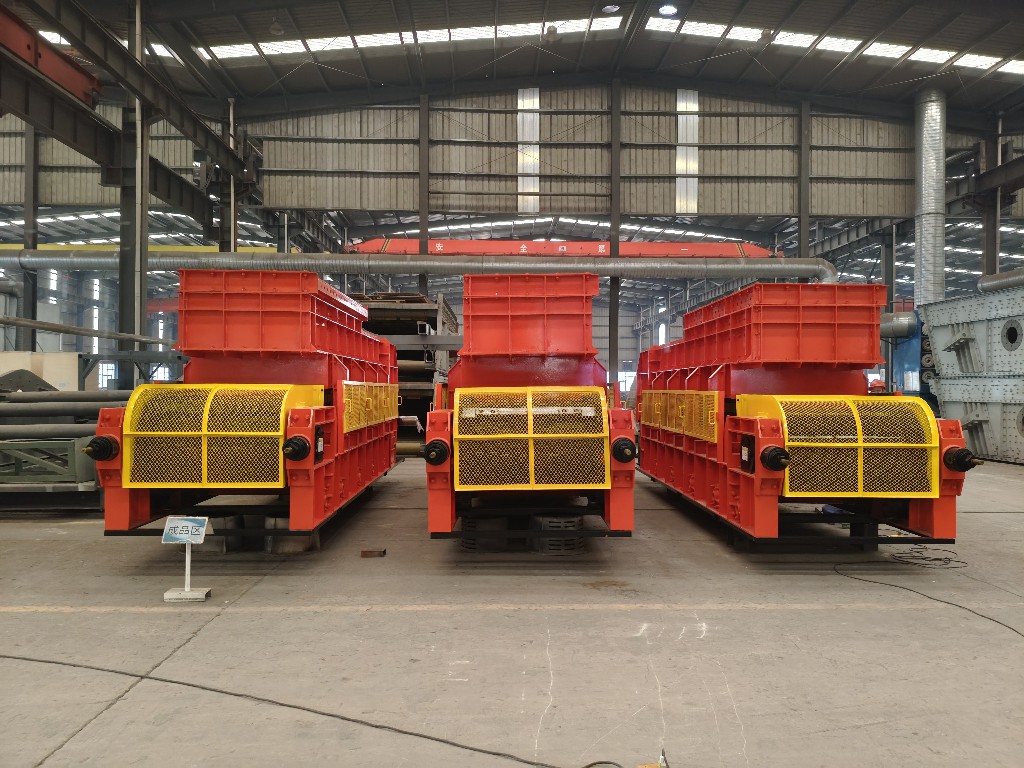
The performance of a Coal Mine Feeder depends on more than its rated capacity. Material characteristics such as lump size, moisture content, bulk density, abrasiveness, and handling temperature all influence feeder selection. For coal mines processing wet or sticky materials, a heavy-duty feeder with a robust drive system and wear-resistant components can maintain continuous operation where conventional equipment may struggle. In high-capacity mining projects, consistent feeding minimizes crusher surges, reduces vibration throughout the production line, and lowers the risk of mechanical failures caused by uneven loading. Stable material delivery also improves crushing efficiency, resulting in more uniform product sizing and reduced energy consumption.
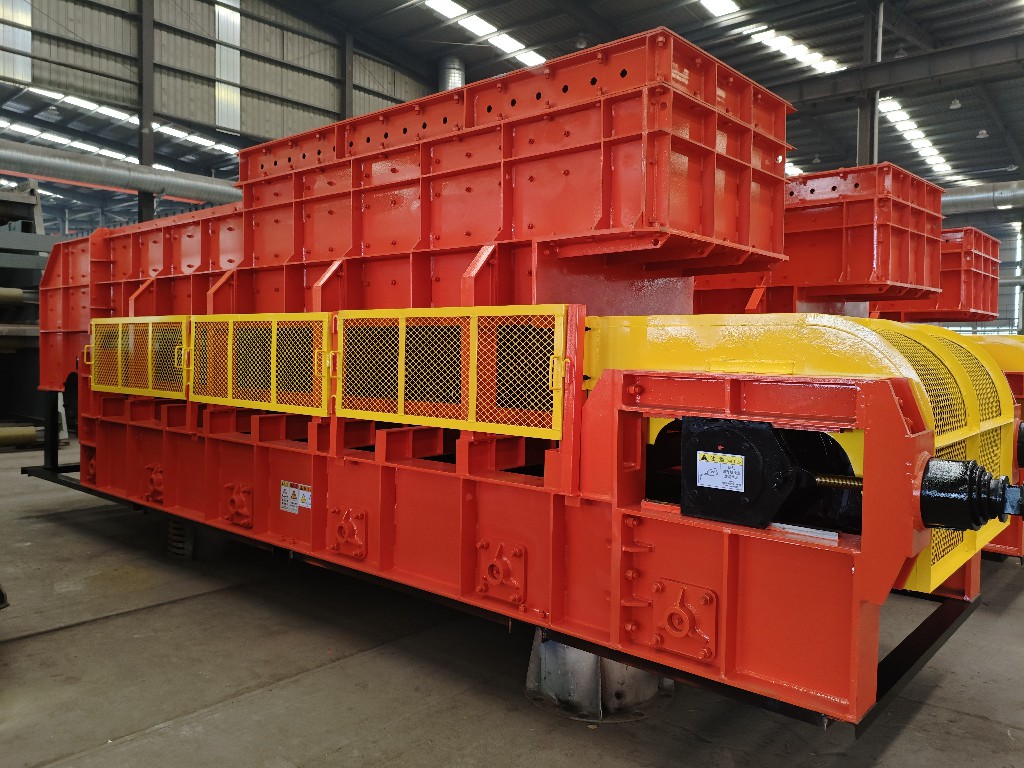
Long-term operating costs should always be considered alongside initial investment. An engineered Coal Mine Feeder designed for demanding mining environments typically requires less unplanned maintenance because critical components are manufactured for continuous heavy-duty service. Features such as reinforced chain assemblies, precision-machined sprockets, sealed bearings, and optimized lubrication systems help extend service intervals while reducing wear. Many modern feeder designs also provide adjustable feeding speeds, allowing operators to match production requirements without sacrificing equipment reliability. This flexibility enables mines to respond quickly to changing production targets while maintaining steady material flow.
Another factor often overlooked is equipment integration. A well-designed Coal Mine Feeder works seamlessly with crushers, vibrating screens, conveyors, and stockpile systems. When every stage of the material handling process is properly synchronized, production becomes more predictable, equipment utilization increases, and maintenance scheduling becomes easier. Modern mining operations increasingly favor integrated feeding solutions because they improve plant stability and reduce unexpected interruptions across the entire processing circuit.
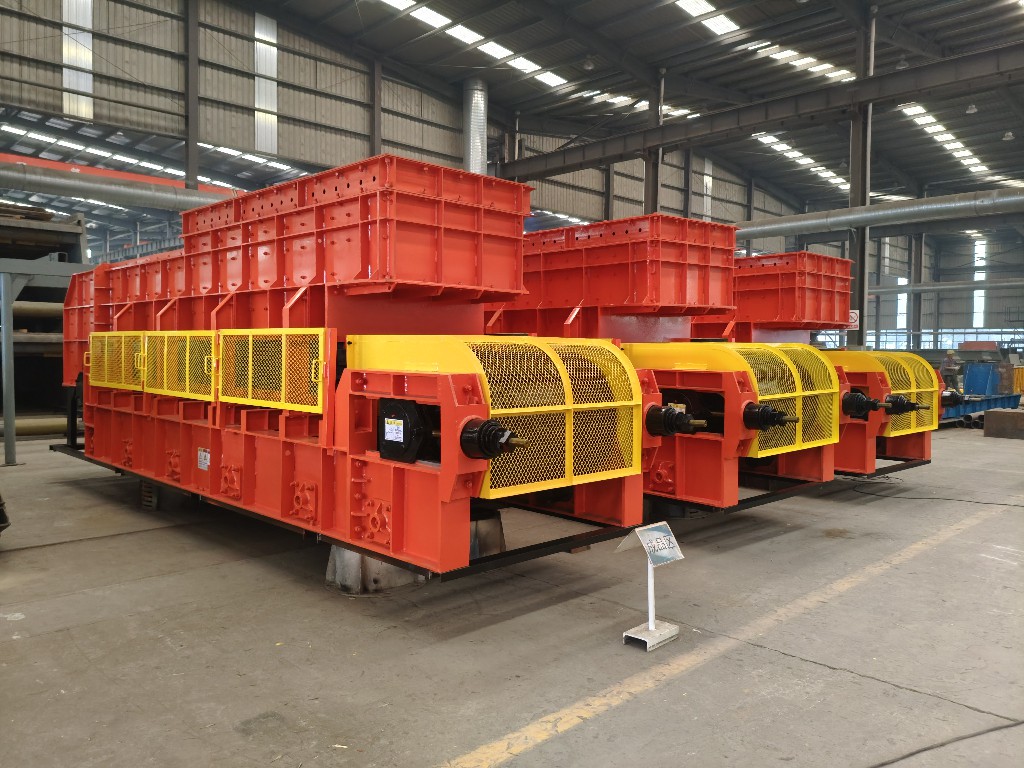
Protecting a mining budget is not simply about purchasing the lowest-priced equipment—it is about investing in reliability throughout the life of the operation. A professionally engineered Coal Mine Feeder helps reduce downtime, protects downstream machinery from excessive impact loading, lowers maintenance expenses, and supports consistent production over many years. By selecting equipment based on actual operating conditions instead of specifications alone, mining companies can achieve greater productivity, improved operational safety, and a lower total cost of ownership.
Selecting a Coal Mine Feeder requires evaluating material size, moisture, bulk density, feed capacity, operating hours, and downstream equipment. Matching the feeder to actual site conditions ensures reliable performance and longer service life.
Yes. A properly sized Coal Mine Feeder delivers a controlled and continuous material flow, preventing sudden overloads that accelerate crusher wear, reduce bearing life, and increase maintenance frequency.
A heavy-duty Coal Mine Feeder is commonly used for coal, lignite, limestone, shale, overburden, and other bulk materials. Specialized designs can also handle wet, sticky, or abrasive materials under demanding mining conditions.
Heavy-duty Coal Mine Feeders are engineered with reinforced structural components, durable drive systems, and wear-resistant parts that withstand continuous operation, reducing unexpected downtime and extending equipment lifespan.
5. How does a Coal Mine Feeder improve overall plant efficiency? A reliable Coal Mine Feeder ensures stable feeding to crushers and conveyors, improves production consistency, reduces energy waste, minimizes equipment stress, and supports higher overall plant productivity.