


In mining, coal handling, and bulk-material processing, efficient screening is essential for maintaining stable production. Poor screening can overload crushers, increase energy consumption, accelerate wear, and reduce final product quality.
A Roller Screener provides a continuous solution by combining material transportation and particle separation. Instead of using vibration, it relies on multiple rotating shafts fitted with screening discs. As material moves across the shafts, undersized particles pass through the openings while larger material continues toward the discharge end.
This operating principle makes Roller Screening Equipment particularly suitable for heavy, bulky, wet, and difficult-to-screen materials.
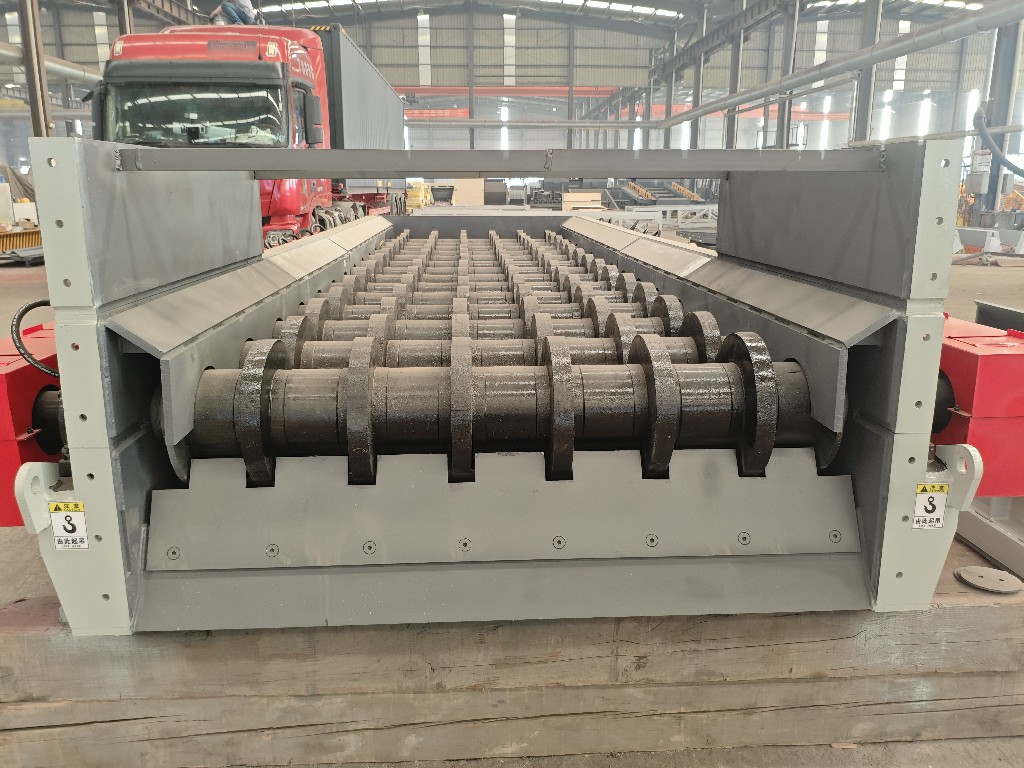
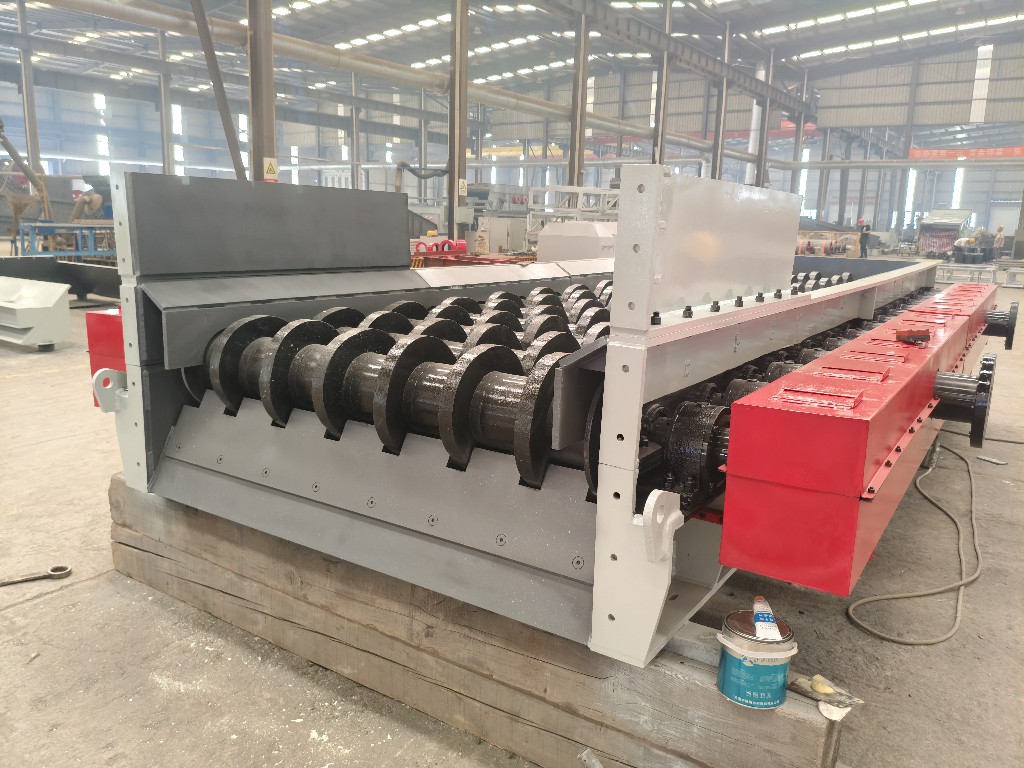
Mining operations require robust equipment capable of handling large feed sizes, abrasive materials, and continuous production.
A Roller Screener can remove fines before a crusher, helping improve crusher utilization and reduce unnecessary size reduction. It can be applied to coal, limestone, iron ore, copper-bearing materials, and other bulk minerals.
In a crushing circuit, the roller screen may work together with an apron feeder, crusher, and belt conveyor to maintain a stable material flow.
Coal is one of the important applications for roller screening technology. Raw coal may contain fines, large lumps, moisture, and sticky material.
A Coal Roller Screen can separate smaller particles before crushing while continuously transporting larger lumps. This can help improve crusher feed consistency and reduce unnecessary crushing of material that already meets the required size.
The correct screen aperture and disc configuration should be selected according to the coal size distribution and processing requirements.
Recycling and construction waste can contain concrete, stone, soil, bricks, and other mixed materials.
Roller screening equipment can separate fines after crushing and help recover usable aggregate fractions. Its robust mechanical design can also provide reliable performance in demanding material-handling environments.
Compost, soil, wood chips, and biomass often have variable moisture and particle characteristics. A properly designed roller screen can provide continuous transportation and screening for selected applications where conventional screening may experience material buildup.
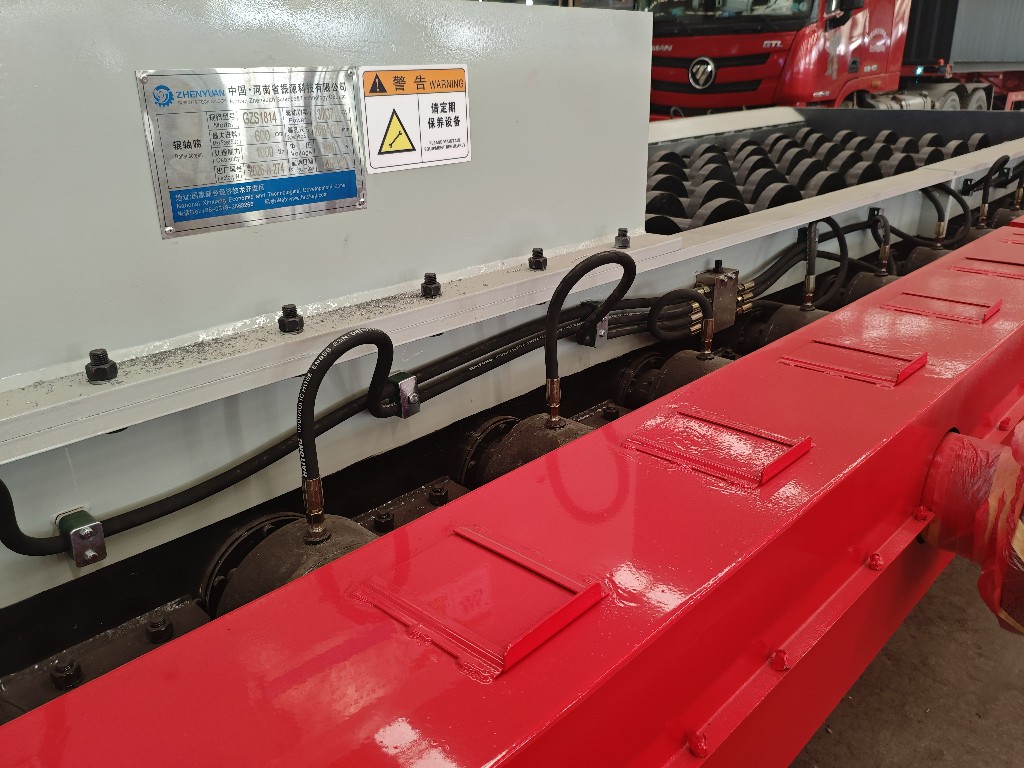
The best screening technology depends on the application rather than one universal machine design.
A vibrating screen uses controlled vibration to separate material, while a Roller Screener uses rotating shafts and discs.
Roller screens can be advantageous for heavy, bulky, wet, or difficult-to-screen materials. Vibrating screens remain highly effective for many applications requiring accurate classification.
When comparing the two, engineers should consider capacity, moisture, feed size, cut size, installation space, maintenance, and downstream process requirements.
A trommel uses a rotating cylindrical drum, while a roller screen uses parallel rotating shafts.
The roller arrangement can provide a compact screening solution and is particularly convenient for integration with feeders, crushers, and conveyors in bulk-material processing plants.
Selecting equipment according to rated capacity alone can lead to poor performance. The following parameters should be evaluated together:
A suitable machine should provide sufficient capacity for normal production fluctuations rather than operating continuously at its theoretical maximum.
Correct operation is just as important as equipment selection.
Uneven feeding can overload part of the screening deck and leave other areas underutilized. A properly matched feeder should distribute material across the full screening width.
Continuous overloading should also be avoided because excessive feed can reduce screening efficiency and accelerate wear.
Modern Roller Screening Equipment can incorporate sensors to monitor bearing temperature, motor current, shaft speed, vibration, and gearbox condition.
Monitoring these parameters allows operators to identify abnormal conditions early and supports predictive or condition-based maintenance.
Routine inspections should include:
Timely replacement of individual wear components can prevent more serious damage and reduce unplanned downtime.
The development of roller screening equipment is moving toward greater automation, monitoring, and energy efficiency.
Variable-speed drives can help operators adjust shaft speed according to changing feed conditions. Sensors can provide real-time information about machine loading and component health.
Future systems are also likely to integrate more intelligent control functions, allowing screening parameters to respond automatically to changes in feed rate and material characteristics.
For mining and coal producers, equipment suppliers will increasingly need to provide complete engineering solutions rather than individual machines. Equipment selection, process integration, commissioning, spare parts, and after-sales technical support are all important factors in long-term plant performance.
A Roller Screener combines continuous material transportation with particle separation, making it an effective option for many coal, mining, mineral processing, recycling, and bulk-material applications.
Its performance depends on the complete engineering design, including shaft configuration, disc geometry, screening aperture, drive power, material characteristics, and feed distribution.
For heavy, abrasive, wet, or sticky materials, selecting the right Roller Screen requires more than comparing catalogue capacity. The machine should be matched to the actual material and integrated properly with upstream feeders, crushers, and downstream conveyors.
When correctly selected and maintained, roller screening technology can provide stable material flow, reliable particle separation, and long-term performance in demanding industrial environments.
A Roller Screener separates bulk materials by particle size while continuously transporting material. It is commonly used in coal handling, mining, crushing, mineral processing, and recycling.
A Roller Screen uses rotating shafts fitted with discs. Smaller particles pass through the openings between the discs, while larger particles move toward the discharge end.
A Roller Screener can be suitable for wet and sticky coal because its rotating discs help reduce material accumulation. The final design should consider moisture, clay content, feed size, and required capacity.
The correct Roller Screener should be selected according to capacity, maximum feed size, cut size, material density, moisture, abrasiveness, shaft configuration, and downstream processing requirements.
A Coal Roller Screen can separate fine coal before crushing and allow larger coal lumps to continue to the crusher. This can improve feed consistency and reduce unnecessary crushing.