


Choosing the right Heavy Duty Apron Feeder is not just about capacity; it depends heavily on the material being handled. Ore, metal scrap, limestone, coal, and other bulk materials all behave differently in terms of density, abrasiveness, lump size, moisture, and impact load. A feeder that works well for coal may wear quickly in iron ore applications, while an under-designed unit for metal handling can suffer chain, pan, or drive failure. For mining, metallurgy, cement, and bulk material plants, matching feeder design to material characteristics is the key to stable feeding, lower maintenance, and longer equipment life.
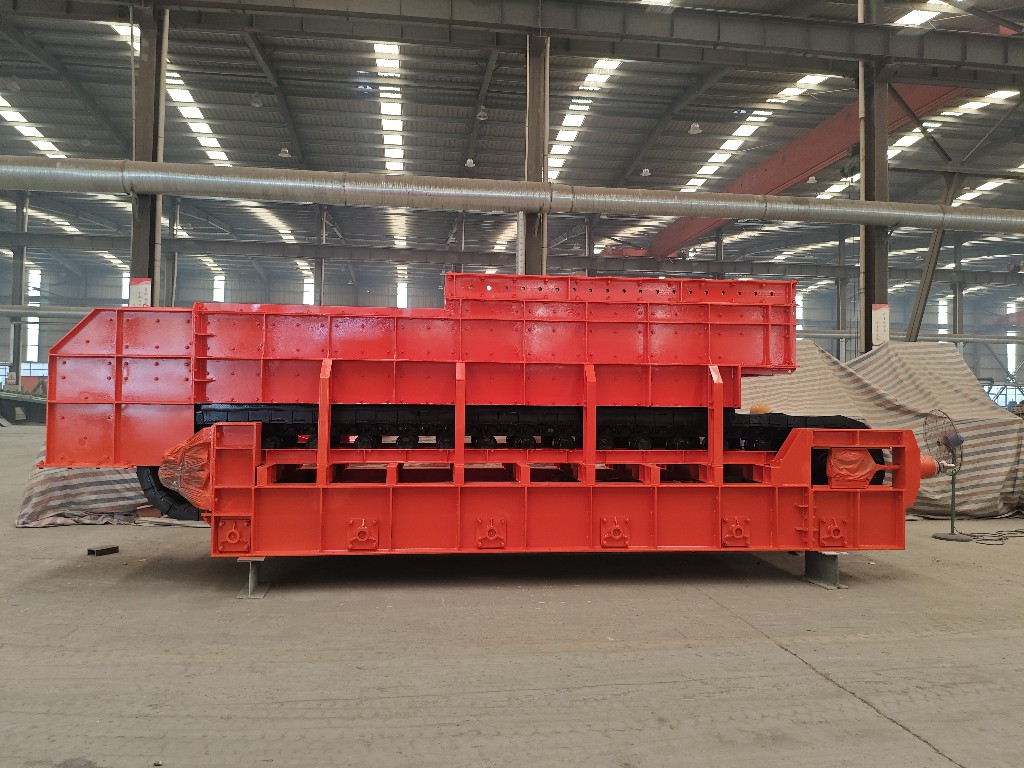
For ore handling, such as iron ore, copper ore, gold ore, or nickel ore, the priority is strength, impact resistance, and wear protection. Ore is usually heavy, sharp, and abrasive, especially when fed directly from a hopper, truck dump, or primary crusher station. A suitable apron feeder should use heavy-duty chains, reinforced pans, high-torque drive systems, and wear-resistant liners. When the material has large lump size or high drop height, the feeder frame and impact zone must be strengthened to prevent deformation and uneven chain loading.
For metal materials, including steel scrap, slag, aluminum blocks, or recycled metal, the selection focus shifts to shock load, irregular shape, and jamming prevention. Metal materials often have sharp edges and uneven sizes, which can damage ordinary belt feeders or light-duty conveyors. A heavy duty apron feeder for metal handling should have thick overlapping pans, strong side guards, reliable chain traction, and enough drive power to start under load. If the metal contains hot slag or high-temperature material, heat-resistant components and special lubrication should also be considered.
For coal handling, the material is usually lighter than ore but may contain moisture, dust, and variable particle sizes. In this case, feeder stability, sealing performance, and controlled discharge are more important than extreme impact strength. A heavy duty apron feeder for coal should provide smooth speed regulation, stable feeding to crushers or conveyors, and effective dust control around the loading area. If the coal is wet or sticky, anti-blocking design, proper pan angle, and easy-cleaning structure can help reduce material buildup and downtime.
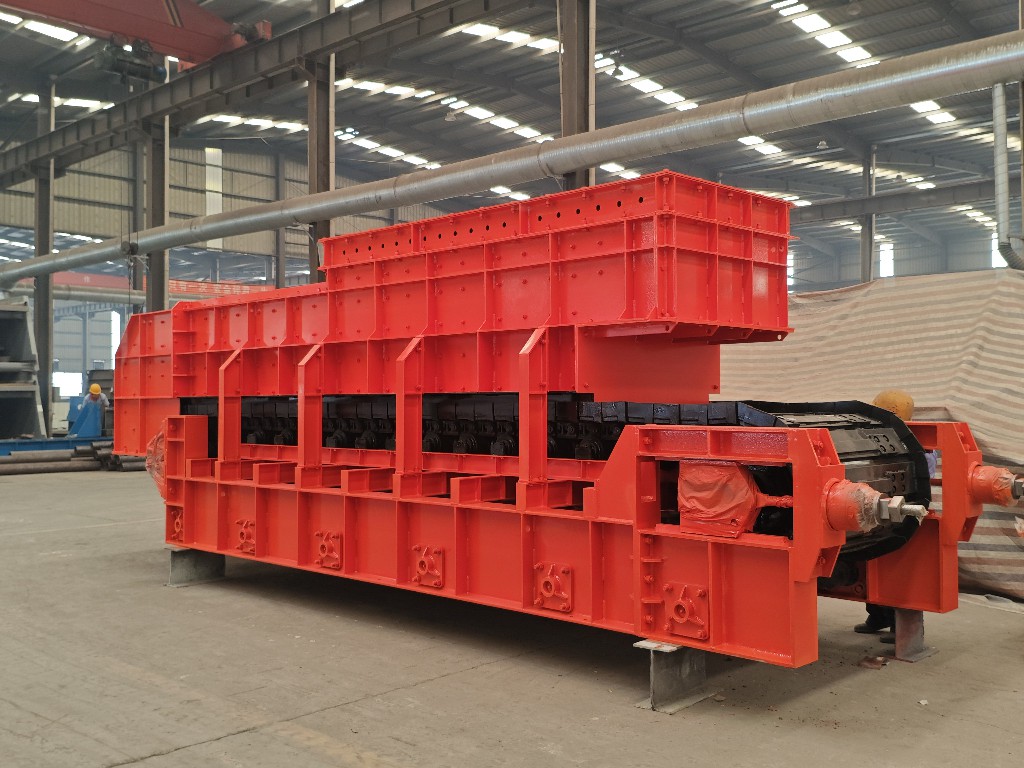
The table below provides a simple selection reference for different materials:
| Material Type | Main Characteristics | Key Selection Focus | Recommended Apron Feeder Features |
| Ore | Heavy, abrasive, large lumps | Wear resistance, impact strength | Reinforced frame, heavy-duty chain, wear liners |
| Metal Scrap | Sharp, irregular, high shock load | Anti-jamming, structural strength | Thick pans, strong side guards, high-torque drive |
| Coal | Lighter, dusty, sometimes wet | Smooth feeding, dust control | Variable speed, sealing design, anti-sticking structure |
| Slag | Abrasive, sometimes hot | Heat resistance, durability | Heat-resistant pans, special lubrication, strong traction |
| Limestone | Medium hardness, dusty | Stable discharge, wear control | Wear plates, enclosed feeding area, reliable drive |
In short, the best Heavy Duty Apron Feeder selection starts with understanding the material first: density, abrasiveness, lump size, moisture, temperature, and required capacity. For ore, choose maximum strength and wear resistance; for metal, focus on impact load and anti-jamming design; for coal, prioritize stable feeding and dust control. A properly selected apron feeder can protect downstream crushers, improve production continuity, and reduce long-term operating costs.