


Selecting a linear vibrating screen is not simply a matter of comparing dimensions, motor power, and quoted price. In mining and coal processing, a screen sits at a critical point in the material-handling circuit: it controls particle-size separation, protects downstream crushers, supports product quality, and can determine whether a plant reaches its planned throughput.
For procurement teams, the challenge is to specify equipment that performs reliably under real operating conditions—not only under ideal test conditions. A linear vibrating screen that looks competitive on paper may cause costly downtime if the deck configuration, vibration parameters, materials of construction, or spare-parts support are not suited to the application.
This procurement guide explains the main factors buyers should assess before choosing a linear vibrating screen for mining, coal, quarrying, and bulk-material processing projects.
The most dependable equipment selection begins with accurate material data. Before requesting quotations, prepare a clear description of the feed material, including:
A dry crushed stone product and moist raw coal may have similar particle sizes, but they behave very differently on a screen deck. Moist coal with a high percentage of fines can blind screen openings, while abrasive ore can accelerate wear on side plates, liners, and screen media. Supplying complete material data allows the manufacturer to recommend the correct deck angle, screen aperture, vibration amplitude, and construction materials.
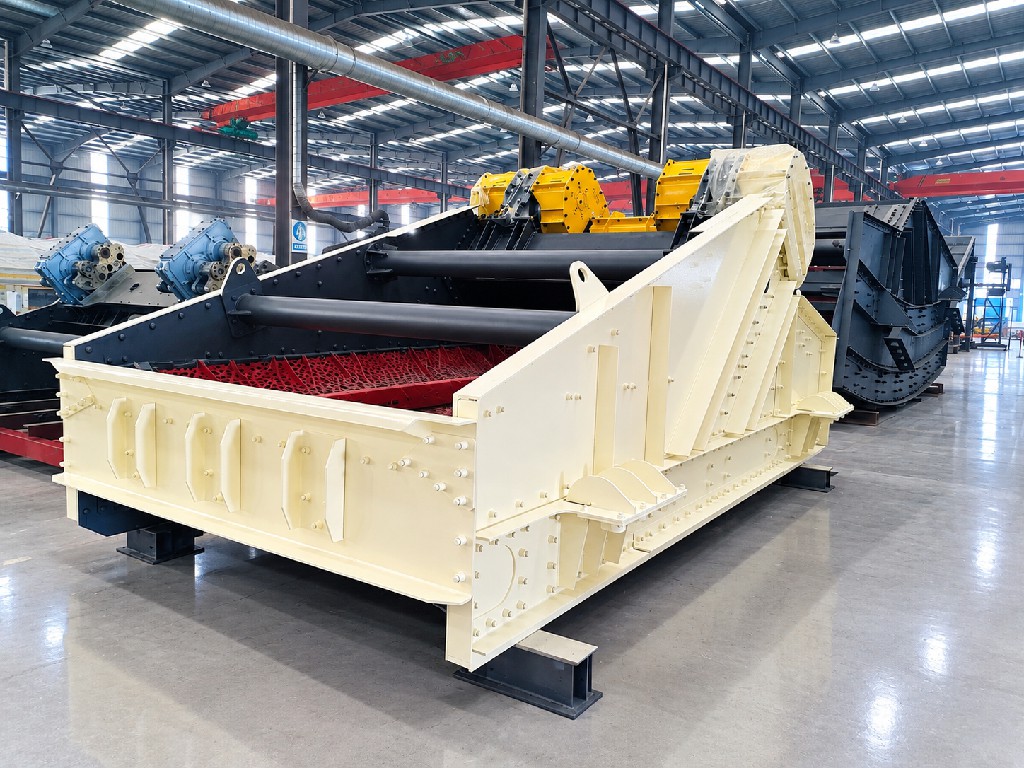
A linear vibrating screen moves material forward in a straight-line trajectory, typically through the combined action of two vibration motors or an exciter system. It is widely used for classification, dewatering, scalping, and separating bulk materials by size.
However, “screening” can mean different things in a process flow. A buyer should identify the screen’s exact duty:
The required duty affects the screen design. For example, a two-deck linear vibrating screen may be suitable for producing two saleable coal grades, while a single-deck scalping screen may need heavier impact protection and larger openings. A screen designed for dry classification should not automatically be expected to handle wet, sticky feed efficiently.
Capacity is one of the most frequently misunderstood parameters in a linear vibrating screen quotation. A supplier may state a high theoretical capacity, but actual output depends on particle-size distribution, moisture, aperture size, feed arrangement, bed depth, and the percentage of near-size particles.
Ask suppliers to state the design capacity, normal operating capacity, and maximum capacity separately. It is also wise to specify whether capacity is measured as tonnes per hour of total feed or tonnes per hour of undersize product.
For mining and coal operations, building in a reasonable capacity margin is usually more economical than operating a screen continuously at its limit. A margin helps the plant absorb changes in feed quality, seasonal moisture variations, and peak production demands. At the same time, excessive oversizing should be avoided, as it increases investment cost, energy use, and space requirements without necessarily improving screening efficiency.
Screen media has a direct impact on separation accuracy, wear life, and maintenance workload. Common options include woven wire mesh, polyurethane panels, rubber panels, perforated steel plate, and self-cleaning mesh.
Woven wire is often preferred for precise dry screening and relatively fine separations. Polyurethane and rubber media are valuable where abrasion resistance, noise reduction, and long service life are priorities. Perforated steel is robust for coarse screening but can be less flexible in handling sticky materials.
For coal and damp fines, consider whether anti-blinding or self-cleaning media is needed. The best choice is not always the lowest-cost media per square metre; it is the option that delivers stable open area, acceptable wear life, and fast replacement during maintenance stops.
Mining screens operate under continuous vibration, repeated impact, dust, and abrasive wear. Therefore, a linear vibrating screen should be assessed as a long-term production asset rather than a simple fabricated structure.
Key design features to review include the thickness and reinforcement of side plates, quality of welds, cross-beam design, vibration isolation, bearing or motor protection, and wear liners in high-impact feed zones. For heavy-duty applications, ask whether the supplier uses stress analysis or fatigue-life evaluation during design.
The vibration drive also deserves close attention. Buyers should confirm the motor brand, protection class, insulation rating, lubrication requirements, and accessibility for replacement. In remote mining locations, standardised motors and readily available bearings can reduce the risk of extended shutdowns.
Even a correctly sized linear vibrating screen can underperform if material is fed unevenly. A poor feed box may overload one side of the deck, reduce effective screening area, and cause premature wear.
Request drawings showing the inlet, feed distribution system, deck arrangement, oversize discharge, undersize collection, and maintenance access. The material should be distributed evenly across the usable screen width, while transfer chutes should be designed to minimise impact, dust leakage, and material buildup.
For existing plants, confirm that the new screen will fit within the available structural footprint and connect properly with upstream feeders, crushers, conveyors, and dust-control equipment.
A competitive price is important, but it should not be the only basis for supplier selection. A reliable linear vibrating screen supplier should be able to explain why the proposed model fits the application and provide supporting technical data.
Ask for application references in similar mining or coal-processing environments. Review manufacturing capability, quality-control procedures, inspection records, warranty terms, commissioning support, and recommended spare-parts lists. A detailed quotation should identify the screen model, number of decks, deck area, aperture sizes, motor specifications, installed power, structural materials, and included accessories.
Clear documentation protects both the buyer and the supplier. It also makes it easier to compare offers on technical value rather than headline price alone.
The purchase price of a linear vibrating screen is only one part of its lifetime cost. Energy consumption, screen-media replacement, spare parts, labour, downtime, and lost production can quickly outweigh a modest initial saving.
When comparing proposals, estimate the expected annual cost of wear parts and the time required to replace them. Check whether critical components are standard or proprietary. Evaluate how quickly the supplier can provide technical support and spare parts after delivery.
A well-designed screen with easier maintenance access, durable media, and dependable vibration components often provides a better return over its operating life than a lower-priced alternative with uncertain service support.
Before issuing a purchase order, verify that the specification includes the material characteristics, required capacity, screening duty, target particle sizes, number of decks, screen media, motor and electrical requirements, corrosion protection, safety guards, inspection access, and spare-parts package.
Also define acceptance criteria. These may include throughput, screening efficiency, vibration parameters, noise level, factory inspection requirements, and documentation to be delivered with the equipment. A clear technical agreement reduces ambiguity and helps ensure the supplied linear vibrating screen performs as expected after installation.
The right linear vibrating screen is the result of matching process requirements with proven mechanical design, suitable screen media, and dependable supplier support. Buyers who focus on material behaviour, real capacity, maintainability, and lifetime cost are far more likely to secure stable screening performance and long-term value for their mining or coal project.
A Linear Vibrating Screen should be selected according to actual feed rate, particle-size distribution, moisture, required cut size, and future production margin. Ask the supplier to distinguish between normal and maximum design capacity rather than relying on a single theoretical figure.
For wet or sticky coal, polyurethane, rubber, or self-cleaning screen media may reduce blinding and improve service life. The optimum option depends on aperture size, abrasion level, moisture content, and the required separation accuracy.
A single-deck Linear Vibrating Screen is often sufficient for scalping or one separation point. Two or more decks are appropriate when several size fractions are required. More decks increase classification capability but also add maintenance and height requirements.
Before acceptance, inspect the Linear Vibrating Screen’s dimensions, screen media, vibration motors, electrical protection, weld quality, safety guards, documentation, spare parts, and test results. Confirm that the equipment matches the approved technical specification and agreed performance criteria.