


In high-calcium limestone processing, screening is not simply a step between crushing and stockpiling. It is the process that decides whether the final material meets the size specifications required by cement plants, lime kilns, steelmaking operations, flue-gas desulfurization systems, and aggregate customers. When the line is designed for approximately 800 t/h, the screening machine must combine high throughput with stable separation, resistance to abrasion, and dependable availability.
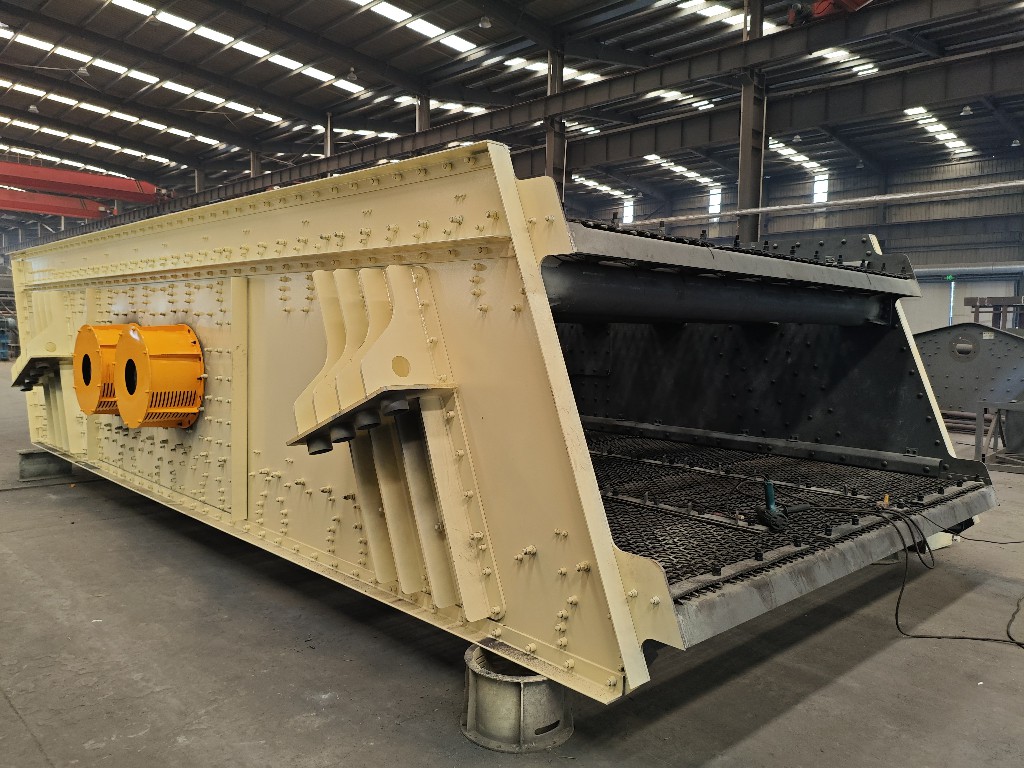
A properly selected 2YKH3675 circular vibrating screen can play a central role in this duty. With a 3.6 m × 7.5 m screening area and a two-deck configuration, this class of equipment is intended for large-capacity classification where operators need to separate high-calcium limestone into controlled product sizes while efficiently removing fines and oversize material. However, achieving 800 t/h is never just a matter of choosing a large screen. It depends on material behavior, feed preparation, screen media, chute design, operating settings, and disciplined maintenance.
This article explains the practical engineering considerations behind a high-capacity limestone screening line and shows why the 2YKH3675 circular vibrating screen is a serious solution for high-calcium limestone classification.
High-calcium limestone is valued primarily for its chemical composition, especially its elevated calcium carbonate content and low levels of undesirable impurities. Yet chemical quality alone does not create a saleable product. End users also require consistent particle-size distribution.
For example, kiln feed may require a narrow fraction with controlled fines, while aggregate and industrial customers may specify different upper and lower size limits. Excessive undersize can reduce product value, increase dust generation, and affect downstream blending. Oversize particles may create crusher recirculation, disrupt feed consistency, or cause problems in storage and transport.
Limestone itself creates several screening challenges:
These factors make screening equipment selection a process-engineering decision, not merely a purchase based on nominal capacity.
The designation “2YKH3675” commonly identifies a two-deck, heavy-duty circular vibrating screen with an effective screen box around 3.6 m wide and 7.5 m long. The wide deck provides the bed area needed for a large-volume limestone flow, while the extended length gives particles adequate residence time to stratify and reach the apertures.
In a typical high-calcium limestone screening line, the screen is installed after primary and secondary crushing. Material enters through a feed box designed to reduce impact and spread the material across the screen width. The upper deck usually removes oversize material for recirculation or separate handling, while the lower deck makes the principal classification cut. Fine material passing through the lower deck is sent to a fines stockpile, further processing stage, or designated product stream.
The circular motion is particularly suitable for dry limestone screening because it helps convey material steadily along the deck while promoting stratification. Smaller particles migrate downward toward the screen openings; larger particles rise toward the top of the material bed and travel to the discharge end. This is the basis of efficient screening: the material must be layered before particles can be separated accurately.
For an 800 t/h target, the 2YKH3675 screen offers a useful balance between capacity and separation area. It is large enough for high-volume classification but still allows practical installation, inspection access, and integration into a conventional crushing and screening plant layout.
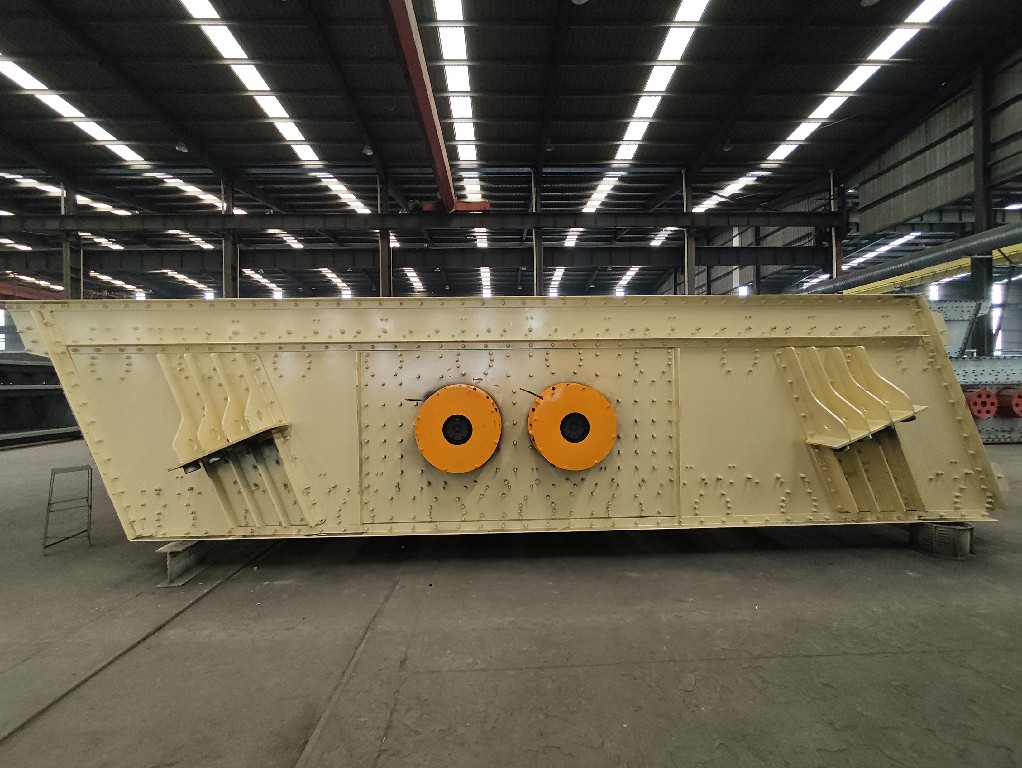
A screen’s rated capacity is an engineering estimate, not a universal guarantee. The real throughput of a 2YKH3675 circular vibrating screen is affected by the percentage of near-size material, bulk density, moisture, feed gradation, desired cut size, and the screening efficiency required by the customer.
Near-size particles are especially important. If a large proportion of the feed is only slightly smaller or larger than the screen opening, separation becomes more difficult and capacity may need to be reduced. Likewise, a feed containing wet fines or sticky clay can blind the screen media and sharply lower open area.
For this reason, a reliable 800 t/h limestone screening line should be evaluated using actual feed data whenever possible. The equipment supplier should review:
A design with a realistic safety margin is far more valuable than one that only meets 800 t/h under ideal laboratory conditions.
Even the best circular vibrating screen cannot compensate for poor feeding. In high-capacity systems, the feed chute and feed box are as important as the screen itself.
Material should arrive near the centre of the feed end and be distributed uniformly over the full width of the deck. If most of the feed lands on one side, that side becomes overloaded while the other side remains underutilized. The result is reduced efficiency, uneven screen-media wear, and inconsistent product grading.
An engineered feed box can slow the falling material, reduce direct impact on the screen media, and guide the material into a stable bed. Replaceable wear liners are strongly recommended in the feed zone, particularly when the crushed limestone contains hard silica-bearing inclusions.
The feeder upstream of the screen should also provide a steady, controlled flow. Surging feed loads can bury the screen deck, while an unstable feed rate makes it difficult to maintain a consistent product specification. A well-matched vibrating feeder, apron feeder, or belt feeder helps the screen operate within its intended working range.
Screen media has a direct effect on capacity, product quality, operating cost, and maintenance downtime. The correct choice depends on aperture size, limestone abrasiveness, moisture, and the required product shape.
Woven wire mesh offers high open area and excellent screening efficiency for many dry limestone applications. It is often suitable where precise separation is the priority and replacement can be performed regularly. Polyurethane panels provide longer wear life and reduced noise but may offer less open area. Rubber media is valuable where impact resistance and vibration damping are priorities. Modular screen panels can simplify maintenance because worn sections can be replaced individually.
For coarse high-calcium limestone classification, self-cleaning media may be considered when elongated particles or occasional sticky fines cause pegging. For fine or near-size separation, the aperture form and wire diameter must be selected carefully. A smaller opening does not automatically create a better product if it restricts throughput or causes excessive carryover.
A practical screening line often uses different media on different deck zones. The feed end may need heavy-duty, impact-resistant panels, while downstream sections can use media with higher open area to maximize separation.
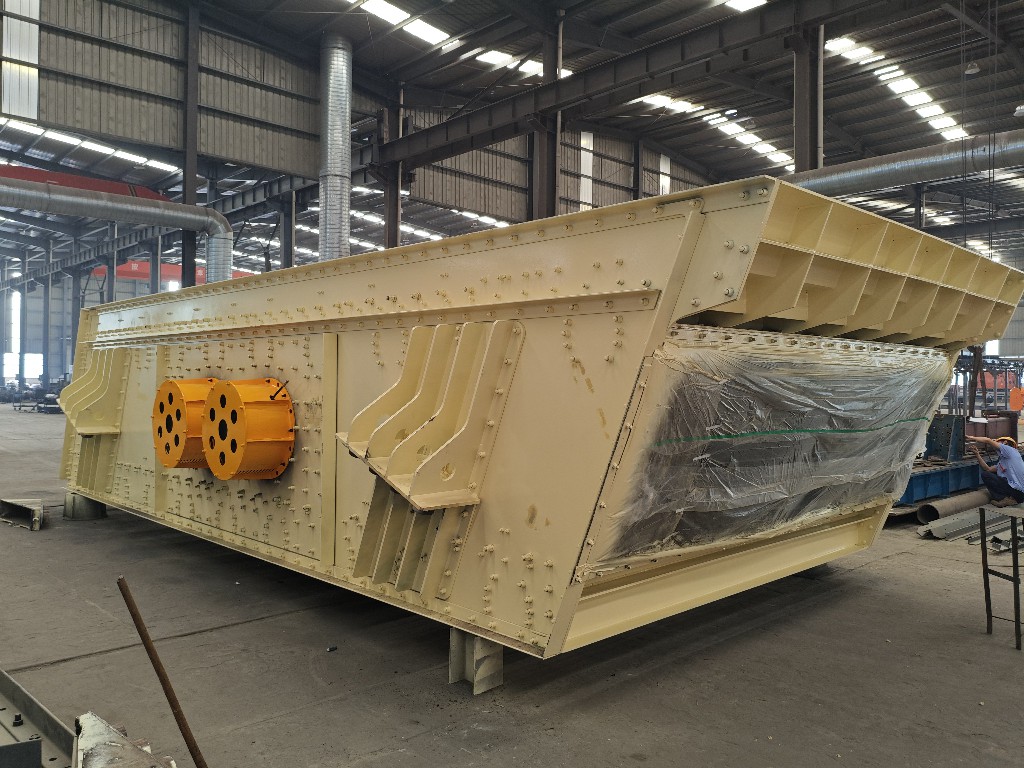
At 800 t/h, unplanned stoppages quickly become expensive. A heavy-duty screen should be specified with a robust screen box, reinforced side plates, durable cross beams, and vibration-rated drive components. The bearing arrangement, lubrication method, and exciter design deserve particular attention because they operate continuously under dynamic loads.
Routine inspection access is also essential. Operators need safe access to check screen media tension, fastening systems, bolts, springs, bearing temperature, and structural condition. Maintenance platforms, guards, lifting points, and adequate clearance around the screen should be included at the design stage rather than added later.
The supporting springs must be selected correctly to isolate vibration from the structure while allowing the screen to maintain its intended motion. Poorly matched springs, loose fasteners, or an unbalanced screen box can lead to excessive vibration, structural fatigue, and reduced service life.
Commissioning should confirm more than whether the screen runs. It should verify motion direction, vibration amplitude, screen inclination, feed distribution, material-bed depth, product grading, and the condition of discharge chutes.
During start-up, operators should take samples from each discharge stream and compare the results with the target particle-size specification. If oversize appears in the undersize product, the cause may be excessive feed rate, worn media, poor stratification, incorrect aperture selection, or uneven feed distribution. If the screen is overloaded, the solution may involve adjusting the upstream crusher setting or feeder rate rather than changing the screen alone.
Daily operating checks should include unusual noise, heat at bearing housings, screen-media damage, loose bolts, oil or grease condition, and buildup in chutes. Monitoring these details prevents small faults from becoming costly breakdowns.
A 2YKH3675 circular vibrating screen can be an effective core machine for an 800 t/h high-calcium limestone screening line when it is matched to the actual material and integrated with the right feeding, crushing, conveying, and dust-control systems.
The objective is not simply to move more tonnes per hour. It is to consistently produce limestone fractions that meet customer requirements, protect downstream equipment, and maintain strong plant availability. With sound design, suitable screen media, balanced feed distribution, and preventive maintenance, a high-capacity circular vibrating screen becomes a long-term productivity asset for limestone producers.
A 2YKH3675 circular vibrating screen can support an approximately 800 t/h limestone screening duty when feed size, moisture, material gradation, required cut sizes, screen media, and feed distribution are properly engineered. The final capacity should always be confirmed against actual material-test data and required screening efficiency.
Woven wire mesh is often selected for high open area and accurate dry limestone classification. Polyurethane, rubber, and modular panels may be preferable where longer wear life, impact resistance, or easier maintenance is needed. The best screen media for a 2YKH3675 vibrating screen depends on aperture size, abrasiveness, moisture, and the product specification.
A circular vibrating screen reduces oversize carryover through uniform feed distribution, correct material-bed depth, appropriate vibration settings, sufficient deck area, and properly selected screen apertures. Regular replacement of damaged or worn screen media is also essential for maintaining classification accuracy.
Uniform feed distribution allows the 2YKH3675 vibrating screen to use its full 3.6 m deck width. Uneven feeding overloads one side of the deck, lowers screening efficiency, accelerates media wear, and can cause inconsistent limestone product sizing.
Regular circular vibrating screen maintenance includes inspecting screen media, bolts, bearings, springs, lubricants, liners, drive components, and discharge chutes. Monitoring abnormal noise, bearing temperature, and structural vibration helps identify issues early and supports reliable high-capacity limestone production.