


In coal handling, mineral processing, and industrial fuel preparation, the quality of the crushed product can determine the performance of every process that follows. A product that is too coarse may disrupt combustion, screening, conveying, or washing. A product containing excessive fines can create dust, reduce material value, and increase handling losses. This is where a four-teethed roller crusher becomes a highly practical solution.
A four-teethed roller crusher is a fine-crushing machine designed to reduce friable, moderately hard bulk materials through controlled squeezing, shearing, and tearing actions. Instead of relying primarily on high-speed impact, it uses toothed rolls to pull material into the crushing chamber and break it progressively. This approach helps produce a more controlled particle size while reducing unnecessary over-crushing.
For coal-fired power plants, coal chemical projects, coke operations, and mining facilities, the equipment is often selected when operators need dependable fine crushing, stable output, and a compact machine layout. The ZY4G10 Series Four-teethed Roller Crusher is engineered for materials with a compressive strength below 120 MPa and feed sizes below 300 mm. Under suitable material conditions, it can reduce feed to 0–10 mm in a single pass.
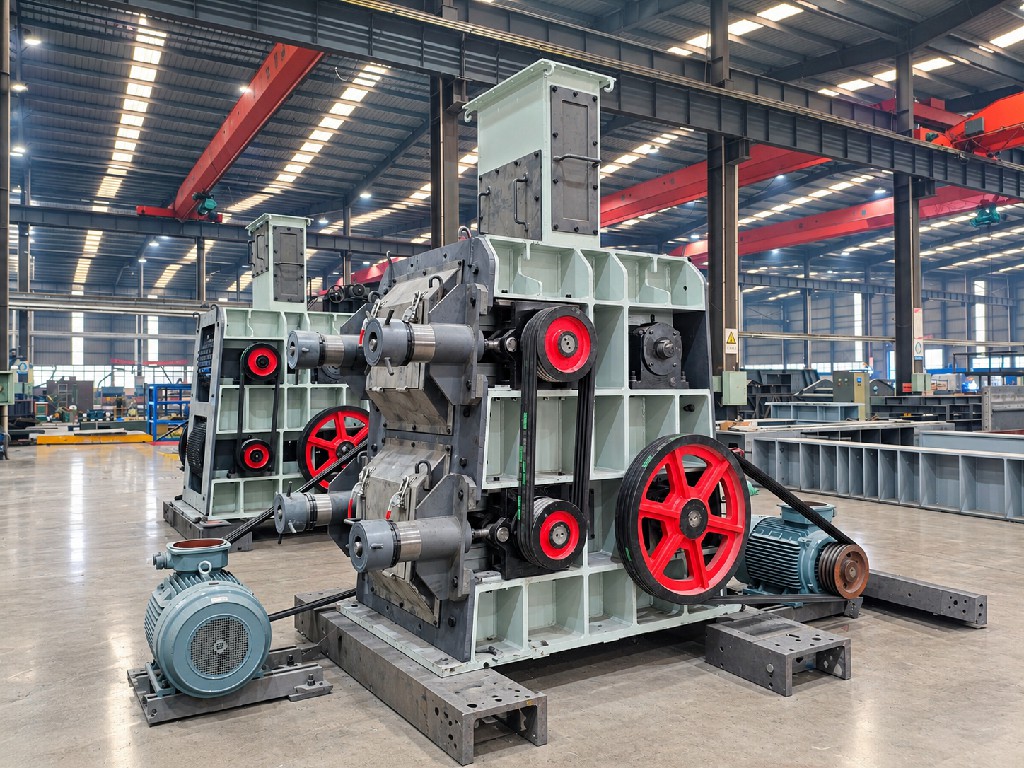
The working principle of a four-teethed roller crusher is straightforward, but its effectiveness depends on the coordinated design of the rolls, tooth profiles, clearances, drive system, and control system.
Material enters the crusher through the feed opening and is gripped by the rotating toothed rollers. The teeth engage the material surface and draw it into the crushing zone. As the material travels through the machine, it is subjected to a combination of compression and shear forces. Larger pieces are broken first, while the remaining particles continue through controlled crushing zones until they reach the target size.
Unlike high-speed impact crushing, which can generate a large proportion of fines, toothed roller crushing is based on selective breakage. The equipment breaks material along its natural weak planes whenever possible. For coal, coal gangue, petroleum coke, oil shale, and similar materials, this can support a more useful product-size distribution and lower the risk of excessive pulverization.
The “four-teethed” design provides multiple crushing engagements within a compact machine. Depending on the material and tooth configuration, the crusher can perform primary, secondary, and tertiary size reduction in a continuous process. This makes it particularly valuable where a plant requires a fine final product without installing several separate crushing stages.
A professional four-teethed roller crusher is not simply a set of rollers with teeth. Its operating value comes from the details that improve availability, product control, and maintenance efficiency.
First, the crusher offers controlled and adjustable particle sizing. The final product is influenced by tooth geometry, roll speed, spacing, and the physical characteristics of the feed. This gives plant engineers more control than a conventional crusher selected only for maximum capacity.
Second, the toothed-roll crushing method is well suited to materials that are sticky, wet, or prone to bridging. Coal and filter cake can be difficult to process because moisture and fines may adhere to internal surfaces. An anti-clogging design, appropriate tooth arrangement, and correct feed distribution are essential to maintaining a stable flow.
Third, wear resistance is critical in industrial crushing. High-strength alloy steel shafts and replaceable tooth plates help the equipment withstand daily operating loads. A replaceable wear-part design also means that maintenance teams can renew worn teeth or plates without replacing major assemblies, helping to control lifecycle cost.
Fourth, intelligent control improves operational protection. A PLC control system can monitor operating conditions and support overload protection. Automated lubrication for bearings helps maintain reliable performance, particularly in continuous-duty coal and mineral handling systems. These features do not eliminate the need for routine inspection, but they help operators identify abnormal conditions before they develop into major downtime events.
Finally, a compact, low-profile arrangement can make the four-teethed roller crusher easier to integrate into constrained layouts. Equipment with a bearing-seat retraction mechanism can also simplify roll clearance adjustment and maintenance access.
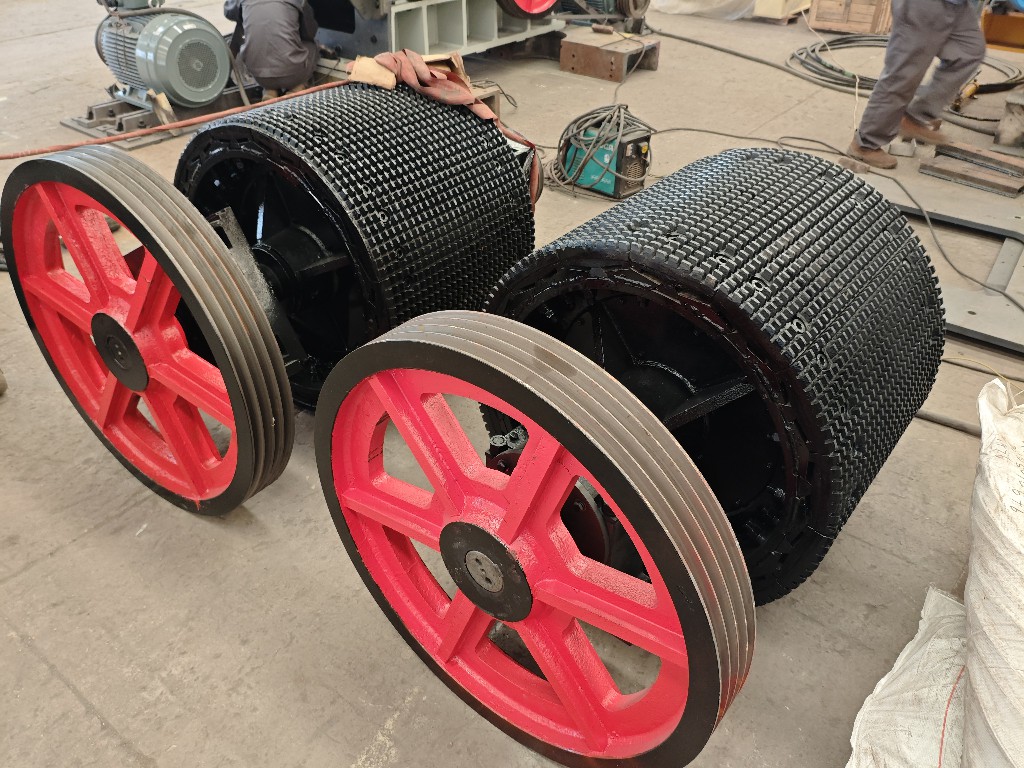
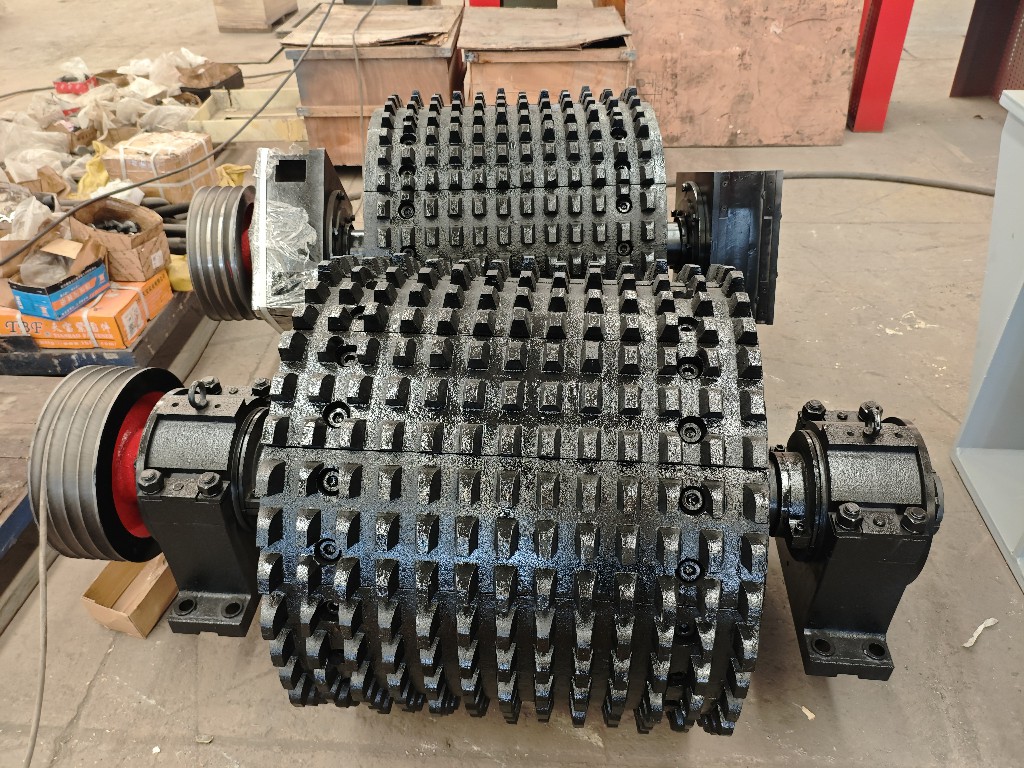
The four-teethed roller crusher is especially effective for friable materials that need fine, controlled reduction. Common applications include:
In circulating fluidized bed (CFB) boiler systems, uniform fuel sizing is important because oversized particles may not burn as efficiently, while excessive fines may affect conveying and combustion behavior. A four-teethed roller crusher can be used to prepare coal to a fine, consistent range suitable for downstream boiler-feed requirements.
In coal chemical plants, controlled crushing can improve the stability of downstream handling, blending, gasification, or processing systems. In mining and quarry applications, the crusher may be used after primary reduction where the feed is already manageable but requires a smaller, more consistent discharge size.
Actual output always depends on material properties. Hardness, moisture, clay content, abrasiveness, feed gradation, and bulk density can all affect capacity and final particle size. Equipment selection should therefore be based on material testing and project conditions rather than nameplate capacity alone.
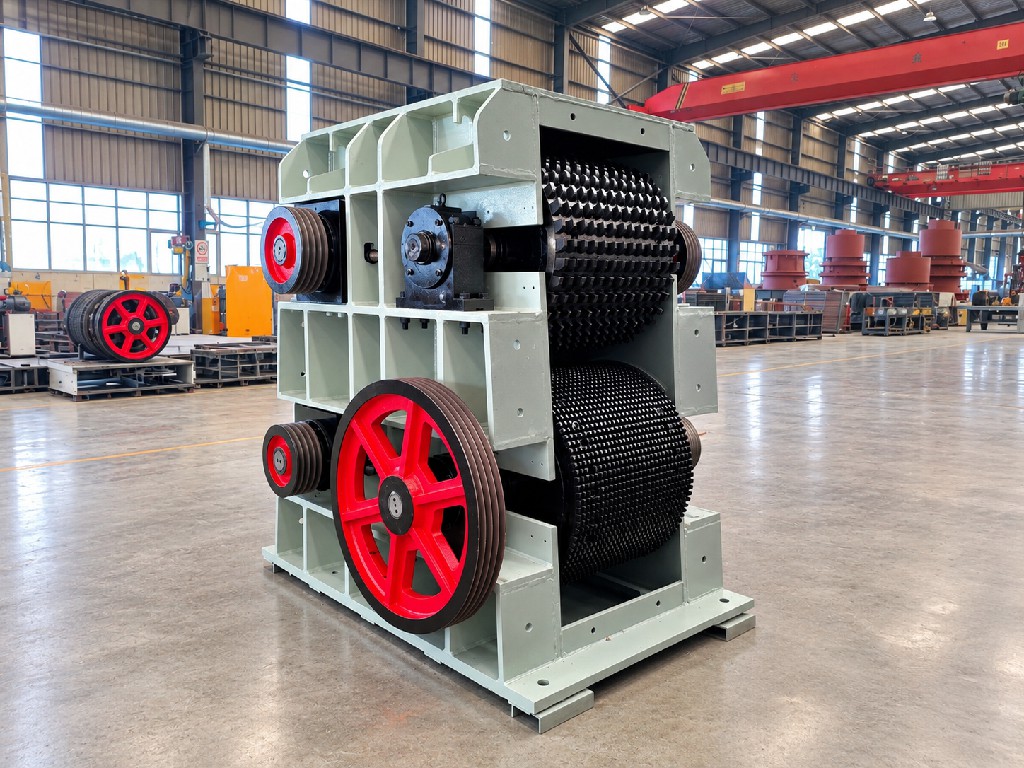
Choosing the correct four-teethed roller crusher begins with a clear understanding of the feed material. Engineers should define the maximum feed size, expected moisture, compressive strength, abrasiveness, clay content, and percentage of fines before selecting a model.
Required capacity is equally important. The ZY4G10 Series covers a broad nominal capacity range, from 50 tph to 800 tph, with models designed for a maximum feed size of 300 mm and a typical output range of 0–10 mm. However, nominal capacity should be treated as a reference. A crusher processing dry, free-flowing coal will perform differently from the same unit processing wet coal gangue or sticky filter cake.
The target product size should also be discussed in detail. “Below 10 mm” may be appropriate for one plant, while another may require a narrower top size or tighter control of fines. The supplier should understand not only the required top size, but also the preferred particle-size distribution.
Other selection factors include:
A well-selected crusher is not merely one that reaches the requested throughput. It should work smoothly with the feeder, conveyor, screening equipment, dust-control system, and downstream process.
Even an advanced four-teethed roller crusher needs the right system around it. Uniform feeding is essential. Sudden surges or uneven feed across the roll width can reduce crushing efficiency and accelerate localized wear. A properly selected feeder and well-designed chute work are therefore just as important as the crusher itself.
Tramp iron should be controlled before material enters the machine. Depending on the application, magnetic separation, metal detection, or other protection measures may be installed upstream to reduce the risk of damage from uncrushable objects.
During operation, plant personnel should monitor motor load, bearing temperature, vibration, lubrication condition, and product-size consistency. Changes in these indicators can reveal issues such as abnormal wear, overload, poor feed distribution, or changing material moisture. Scheduled inspection of tooth plates, shafts, bearings, and drive components helps prevent unplanned stoppages.
The strongest reason to choose a four-teethed roller crusher is not simply its crushing ratio. Its real value lies in the combination of controlled sizing, selective crushing, low-profile design, maintainable wear parts, and intelligent operational protection.
For producers handling coal, coke, gangue, filter cake, and similar materials, the machine can reduce the number of crushing stages while maintaining a more consistent fine product. This can simplify plant design, improve downstream stability, and reduce waste caused by excessive fines.
The best result comes from matching the crusher to the material, capacity, and process goal. When properly engineered into a crushing system, a four-teethed roller crusher becomes more than a size-reduction machine—it becomes a dependable link between raw material handling and efficient downstream production.
A Four-Teethed Roller Crusher is commonly used for coal, coal gangue, filter cake, coke, petroleum coke, oil shale, bauxite, and other friable materials. Material strength, moisture, abrasiveness, and feed size should be evaluated before final model selection.
A Four-Teethed Roller Crusher controls sizing through its tooth design, roller arrangement, operating speed, and adjustable crushing clearance. These factors work together to achieve controlled reduction while limiting excessive fines.
Yes, a Four-Teethed Roller Crusher can be configured for wet or sticky coal applications. Proper tooth design, anti-clogging features, consistent feeding, and suitable discharge arrangements are important for stable operation.
Four-Teethed Roller Crusher capacity depends on the model and material characteristics. The ZY4G10 Series offers reference capacities from 50 tph to 800 tph. Final capacity should be confirmed according to actual feed conditions and required output size.